
Fiber Optic Patch Panel
How to Find the Best Fiber Optic Patch Panel for Seamless Connectivity?
In today’s digital world, high-speed communication networks are essential for businesses, data centers, telecom operators, and industrial facilities. A Fiber Optic Patch Panel plays a critical role in ensuring organized and reliable fiber optic connectivity. Whether deployed in a FTTH network, enterprise infrastructure, or Data Center Fiber Solutions, a well-designed Fiber Patch Panel helps manage fiber cables efficiently while improving network performance and scalability.
As optical communication technologies continue to evolve, the demand for efficient Fiber Cable Management solutions has increased significantly. A Fiber Optic Patch Panel serves as a centralized hub for terminating, organizing, and distributing optical fibers. It helps network administrators maintain a structured Optical Fiber Network, reducing cable clutter and simplifying troubleshooting.
What is a Fiber Optic Patch Panel?
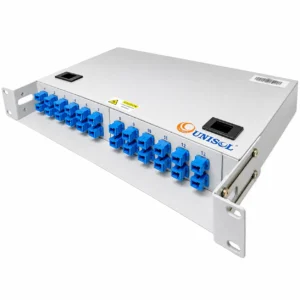
A Fiber Optic Patch Panel is an enclosure that houses fiber optic connections and provides a secure environment for cable termination, splicing, and distribution. It acts as an interface between incoming fiber cables and networking equipment, ensuring reliable Fiber Optic Connectivity while protecting delicate fibers from physical damage.
A typical Fiber Distribution Panel consists of adapter plates, splice trays, cable routing accessories, and connector ports. These components work together to create an organized Fiber Cable Management system that supports easy maintenance and future expansion.
Modern Fiber Patch Panels are available in different configurations to meet diverse network requirements. Whether it is a Rack Mount Fiber Optic Patch Panel, DIN Rail Fiber Optic Patch Panel, or Wall Mount Fiber Optic Patch Panel, each design serves specific applications and installation environments.
How to Choose the Best Fiber Optic Patch Panels?
When selecting fiber optic patch panels, it is important to choose products from reputable manufacturers known for delivering quality, durability, and reliable performance. Established manufacturers follow strict production standards and comprehensive quality testing procedures to ensure their products provide consistent and long-lasting operation. Several factors should be considered when choosing the most suitable patch panel for your network infrastructure. The installation environment plays a significant role, as different applications may require rack-mounted, wall-mounted, or DIN rail-mounted solutions.
Compatibility with existing network components, including connectors and fiber types, should also be evaluated to ensure smooth integration. Panel capacity is another important consideration. The selected patch panel should support current connectivity requirements while allowing room for future expansion.
Port density, accessibility, and cable routing features should also be assessed to simplify maintenance and improve overall organization. Additionally, the overall design and build quality of the patch panel can impact its ease of installation, durability, and long-term performance. Features such as secure cable management, clear labeling options, and protective enclosures contribute to a more efficient and reliable network setup.
By carefully evaluating these factors, organizations can choose a patch panel that aligns with their operational needs, supports efficient cable management, and delivers dependable network performance for years to come.
How to Seamlessly Connect Fiber Optic Cablesto patch panels?
There are two common methods for terminating fiber optic cables. The first involves using connectors to join two cables directly, while the second connects fibers to network equipment such as fiber optic patch panels or switches, which helps improve cable management. Regardless of the termination method, fiber optic cables should be installed carefully to minimize signal loss.
But how exactly do you connect fiber optic cables to a fiber optic patch panel properly? In this guide, we’ll walk you through the key steps involved— starting with an overview of the patch panel it self.
Types of Patch Panel
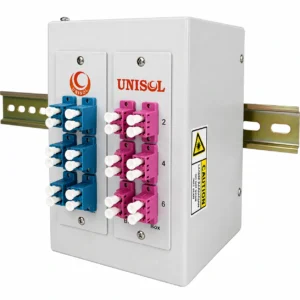
A patch panel serves as the central connection point between optical fiber cables and networking equipment. It helps organize, manage, and distribute fiber connections efficiently throughout a network. By providing a structured way to terminate and route cables, patch panels simplify installation, maintenance, and troubleshooting. Based on their mounting design, patch panels are generally categorized into wall-mounted and rack-mounted types. A wall-mounted patch panel is a compact solution designed for installations where space is limited.
It is typically mounted on interior walls and provides a secure enclosure for terminating and managing fiber cables. These panels are commonly used in small offices, communication rooms, and branch network locations. Their compact design allows for easy access while keeping cables protected and organized.
Wall-mountedpatch panels are particularly suitable for applications where a large rack system is not required. A rack mount patch panel is designed forinstallation in standard network racks and cabinets. Available in varioussizessuch as 1U, 2U, and 4U,these panelssupport higher cable capacities and are commonly used in data centers, enterprise networks, and telecommunications facilities.
They can accommodate multiple connector types, making them highly versatile for different network requirements. Rack- mount patch panels provide a neat and structured approach to cable management while allowing easy access for future expansion and maintenance.
Structure of a Fiber Optic Patch Panel
A fiber optic patch panel consists of several components that work together to ensure proper cable termination, protection, and organization. The enclosure is designed to securely house and manage fiber connections while protecting them from physical damage. The main components include adapter panels, connector interfaces, splice management areas, and cable routing sections. Adapter panels provide connection points for fiber cables, while splice trays
help organize and protect fiber splices.
Cable management features guide fibers through the enclosure, maintaining the proper bend radius and reducing the risk of signal loss. With these integrated components, technicians can efficiently install, maintain, repair, and upgrade fiber networks. A well-designed patch panel not only improves cable organization but also enhances network reliability and simplifies future modifications.
FIBER OPTIC PATCH PANEL TYPES
Patch panels can be categorized into different types based on a few different criteria.
- Din Rail Patch Panel
- Rack Mount Patch Panel
- Sliding Rack Mount Patch Panel
- Wall Mount Patch Panel
Din Rail Patch Panel
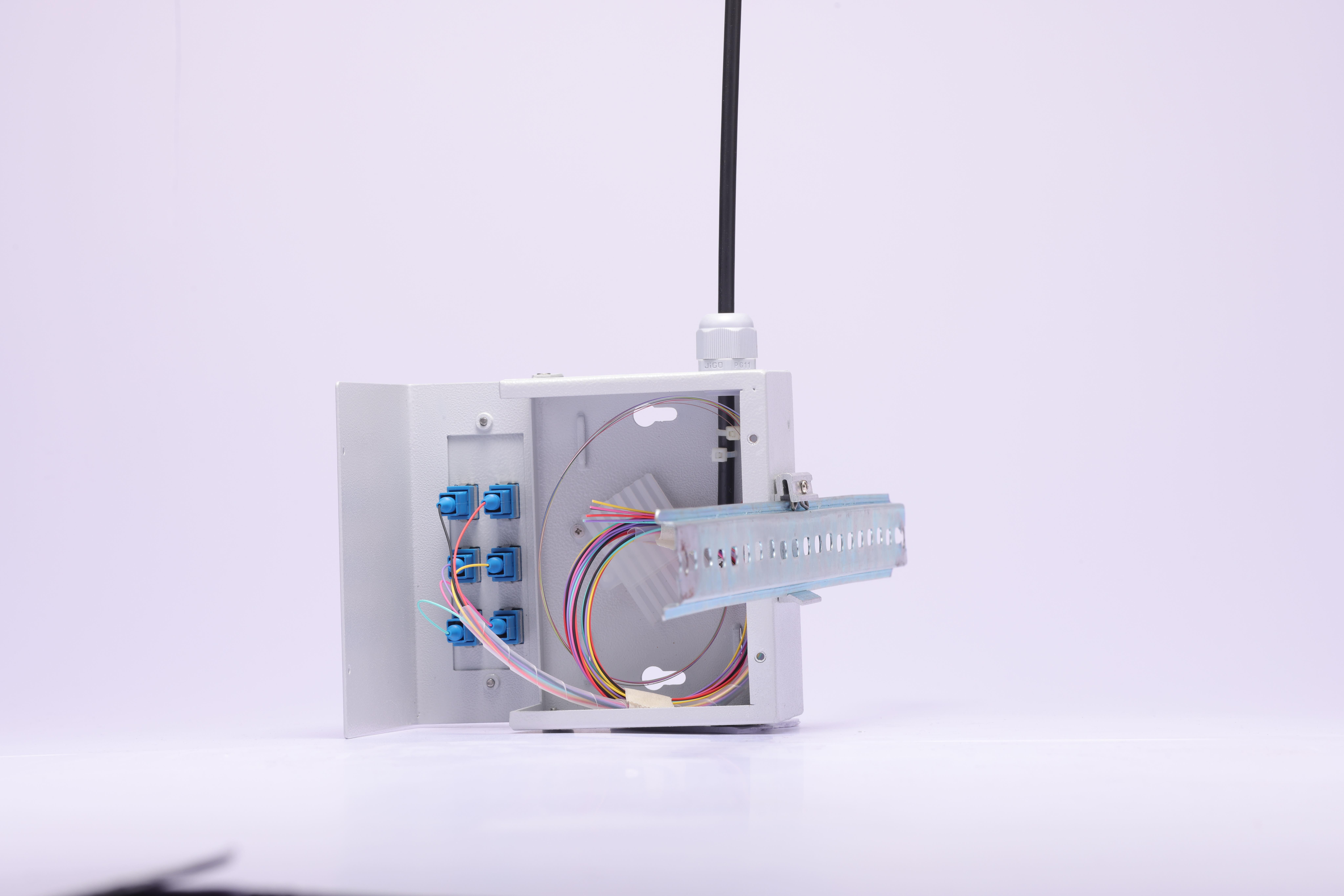
The DIN rail LIU / fiber patch panels are designed to mount on a 35 mm Din rail frame to provide cross-connect and interconnect capabilities for splicing & termination of OFC cables, pigtails in fiber access networks called Din Rail mount fiber optic LIU or patch panel / LIU when fully loaded.
Rack Mount Fiber Patch Panels
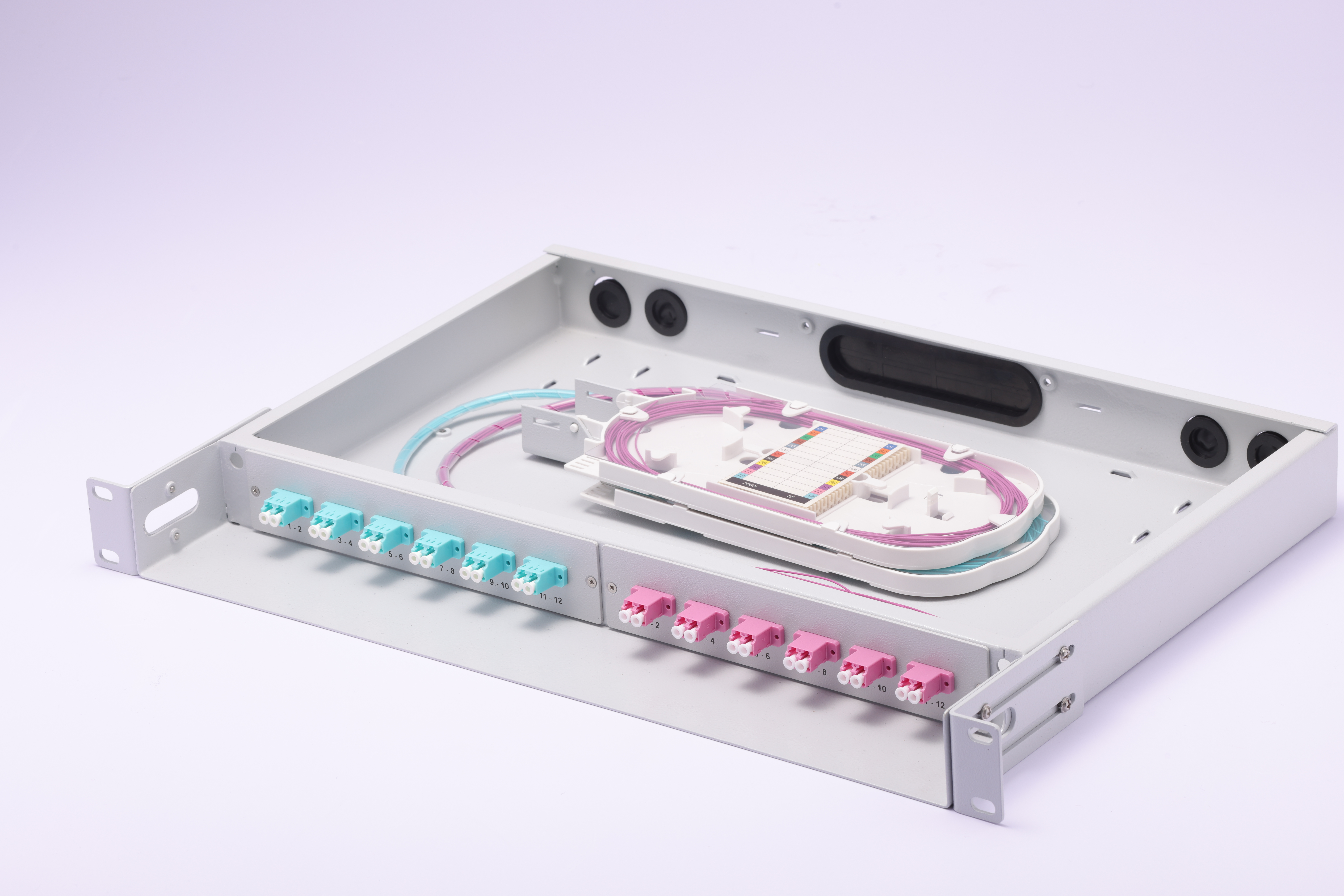
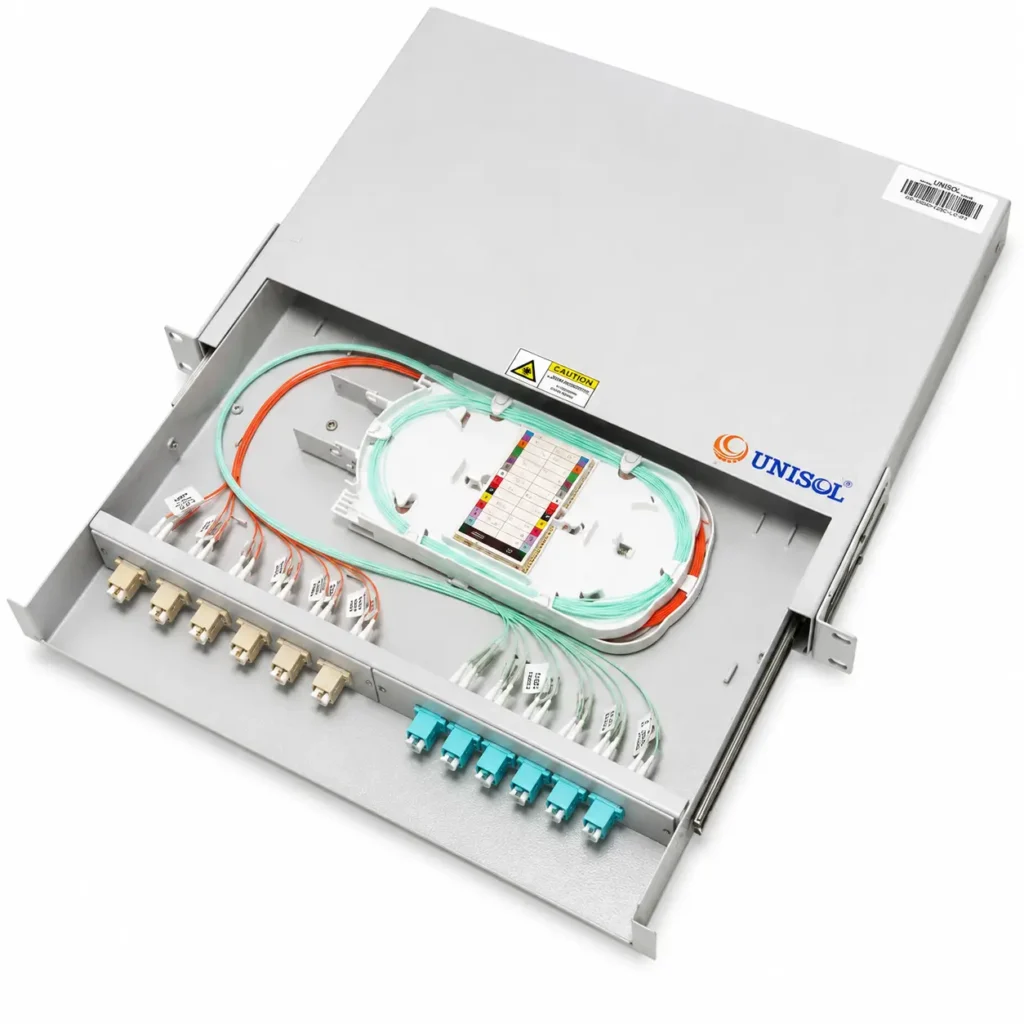
Unisol 12 Port Sliding Rack Mount Patch Panel is compact, efficient, and designed to streamline fiber optic network management. With a 1U height, these fiber patch panels are ideal for installation in standard 19 inch server racks and network racks, providing secure housing for spliced optical fibers
from external fiber optic cables.
Sliding Rack Mount Fiber Patch Panels
A Sliding Rack Mount Patch Panel is designed with a pull-out tray mechanism that allows technicians to easily access internal fiber connections, splice trays, and cable management components without removing the panel from the rack. This design simplifies installation, maintenance, inspection, and network upgrades while minimizing disruption to existing connections.
Wall Mount Fiber Enclosure
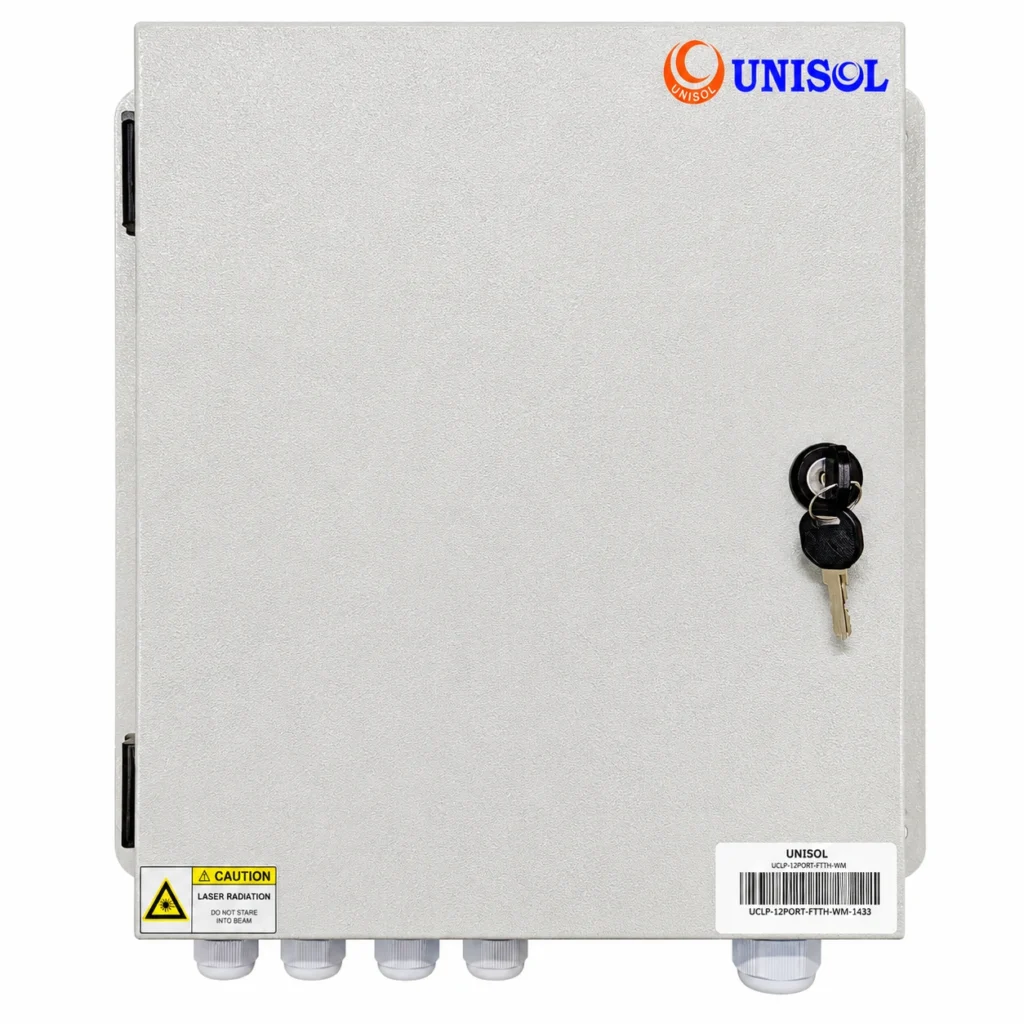
The Unisol 12 Port Wall Mount Fiber Enclosure is a compact, durable solution for organized fiber termination, splicing, and protection in space-constrained environments, ideal for LANs, data centers, FTTX and industrial networks.
Which are the applications of a Fiber Optic Patch Panel?
- Din Rail Patch Panel
- Rack Mount Patch Panel
- Sliding Rack Mount Patch Panel
- Wall Mount Patch Panel
Din Rail patch panel:
The DIN rail LIU / fiber patch panels are designed to mount on a 35 mm Din rail frame to provide cross-connect and interconnect capabilities for splicing & termination of OFC cables, pigtails in fiber access networks called Din Rail mount fiber optic LIU or patch panel / LIU when fully loaded.
- Allowsforthe simple termination of fiber optic cables.
- Connections of all input jacks/ports into a patch panel in a central location that are We organized and simple to manage.
- Because all changes can be made at the patch panel, it makes it easier to connect different devices in different orders.
- Because all connections are patched using the ports in the patch panels, there are no costs associated with wear and tear on the input ports of networking equipment.
Rack Mount Fiber Patch Panels
- Oil & Gas Industries
- CCTV& Surveillance Applications
- Rail Signalling & Control Applications
- Process Automation & Control Systems
- Power Systems & Controls
Wall Mount Patch Panel:
- Indore Premise Networks
- Central offices(FTTx)
- Data Centers
- Telecommunication Networks
- Security Surveillance Applications
- Military
- Road& Rail
- Industrial Uses
- Transmission boxesforsubstation
- CCTV & FTTH Applications
- Factory and Automation Applications
Why Choose UNISOL for Fiber Optic Patch Panels?
UNISOL is a trusted provider of high-quality fiber optic connectivity solutions, offering reliable and high- performance Fiber Optic Patch Panels for telecom networks, data centers, FTTH deployments, enterprise networks, industrial facilities, and campus infrastructures. With precision-engineered fiber patch panels, rack-mount enclosures, sliding patch panels, wall-mount solutions, and high-density fiber managementsystems, UNISOL ensures organized cable routing, secure fiber terminations, and efficient network management.
The company provides durable and easy-to-install patch panels designed to support single-mode and multimode fiber applications while maintaining optimal signal performance. UNISOL’s fiber optic patch panels help reduce cable clutter, simplify maintenance, improve network scalability, and protect fiber connections from physical damage.
With robust construction, industry- standard compatibility, flexible configurations, and cost-effective networking solutions, UNISOL delivers smart, secure, and efficient fiber management systems that enhance network reliability, improve operational efficiency, and support high-speed data transmission across modern communication infrastructures.
Conclusion
A fiber optic patch panel is an effective solution for organizing and protecting fiber optic connections. It simplifies cable management, improves network reliability, and makesinstallation and maintenance easier. With various designs and capacities available, patch panels can be used in data centers, telecom networks, enterprise environments, and industrial applications. Choosing the right patch panel helps ensure efficient network performance, easy scalability, and long-term reliability.